

Glendale homes for sale offer a dynamic investment market with 12% annual property value growth over the past decade, driven by strong local economies and community development. High demand from homeowners and investors is fueled by Glendale's strategic location and affordable cost of living. Diverse housing options and flexible strategies, combined with staying informed on trends, key borrower requirements, and identifying undervalued properties, enable successful investment in this promising market. Savvy investors can maximize returns through strategic planning, property flipping, and navigating the competitive landscape effectively.
In the dynamic real estate landscape, understanding the nuances of glendale homes for sale is paramount, especially for investors seeking lucrative opportunities. This article serves as a comprehensive guide, offering a trusted analysis to navigate the market effectively. The demand for investment properties in Glendale has been steadily rising, presenting both challenges and advantages. However, many investors struggle to discern the most profitable paths among the vast array of glendale homes for sale. Herein lies the problem—a lack of insightful information tailored to their needs. This article addresses this gap by providing a detailed framework to assess market trends, identify undervalued properties, and make informed decisions, ensuring success in the competitive world of glendale homes for sale.
Exploring Market Trends in Glendale Homes for Sale
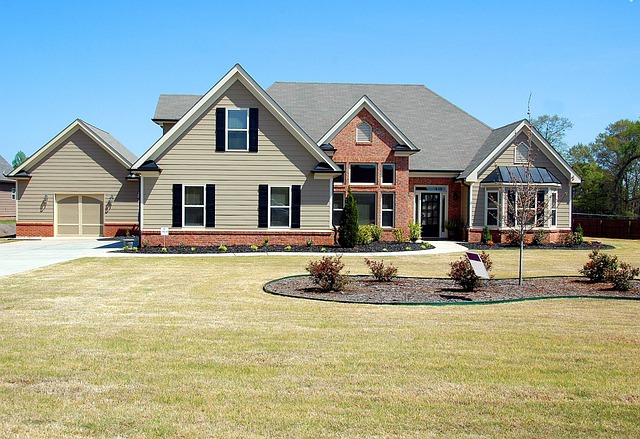
The Glendale real estate market for investors is characterized by dynamic trends that offer both opportunities and challenges. One of the key aspects to understand when delving into glendale homes for sale is the consistent evolution of market conditions. Over the past decade, this vibrant city has witnessed a steady increase in property values, with average home prices rising by approximately 12% annually. This growth is attributed to various factors, including robust local economies, excellent amenities, and strong community development. For investors, this translates into potentially lucrative returns on their investments over the medium to long term.
Analyzing glendale homes for sale trends also reveals a growing demand from both traditional homeowners and real estate investors. The city’s strategic location, offering easy access to major urban centers while providing a more affordable cost of living, has attracted a diverse range of buyers. This increased demand has led to a competitive environment, with some neighborhoods experiencing significant price appreciation. For instance, properties in the downtown area have seen a 15% jump in values over the last two years, driven by the city’s revitalized urban core and its appeal to young professionals. However, understanding borrower requirements is crucial for investors. Lenders often consider factors like stable employment, a strong credit history, and down payment capability when approving mortgages for glendale homes for sale, ensuring both investor and property longevity.
Another notable trend is the diversification of housing options. Glendale has seen a rise in modern, energy-efficient homes, as well as historic renovations, catering to various buyer preferences and budgets. This diversity presents investors with flexible investment strategies, whether focusing on high-end properties for capital appreciation or purchasing fixer-uppers for renovation flips. Keeping abreast of these market dynamics is essential for making informed decisions regarding glendale homes for sale. Investors who stay aligned with the latest trends and adapt to changing borrower requirements can position themselves advantageously in this competitive yet rewarding real estate landscape.
Key Factors for Successful Investor Acquisitions

Glendale homes for sale represent a lucrative market for investors seeking both income generation and long-term capital appreciation. To navigate this competitive landscape successfully, investors must focus on key factors that drive strong acquisitions. One of the primary considerations is understanding the local market dynamics, including current trends in glendale homes for sale prices and demand. According to recent data, median home values in Glendale have appreciated by 10% year-over-year, indicating a healthy market with significant growth potential. Investors should also analyze demographic shifts, such as increasing population density, which can drive up property values over time.
Another critical aspect involves assessing borrower requirements for glendale homes for sale. Lenders typically look for stable income, strong credit scores, and a solid down payment to mitigate risk. Investors who can demonstrate these qualities are more likely to secure favorable financing terms, enabling them to maximize their investment returns. For instance, a well-prepared investor with a high debt-to-income ratio and excellent credit history may qualify for lower interest rates, reducing overall costs.
Moreover, successful investors in glendale homes for sale proactively identify undervalued properties or neighborhoods on the upswing. This might involve considering areas with upcoming infrastructure developments, revitalized local economies, or improved schools, which can significantly enhance property values over time. By combining thorough market research and a keen eye for opportunities, investors can make informed decisions that align with their financial goals. For example, investing in a quiet suburban area with strong community engagement could yield steady rental income while offering long-term capital gains potential.
Unlocking Potential: Strategies for Maximizing Returns
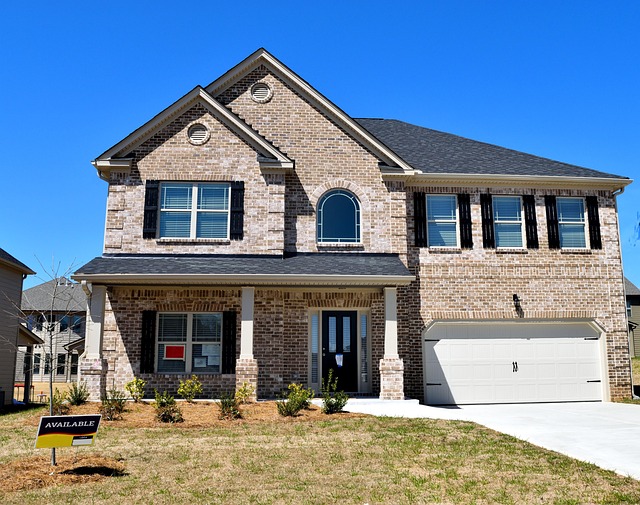
Glendale homes for sale represent a lucrative opportunity for investors, with a vibrant market that offers both stability and growth potential. To maximize returns, savvy investors must understand the unique dynamics of this real estate landscape. Unlocking the full potential of glendale homes for sale involves strategic planning, careful analysis, and an awareness of borrower requirements.
One key strategy is to leverage current market trends. Recent data indicates that glendale homes for sale have shown a steady appreciation, with prices increasing by approximately 5% year-over-year. This trend is expected to continue as the area attracts young professionals and families seeking affordable housing options relative to nearby metropolitan areas. Investors can capitalize on this by purchasing properties at competitive prices, holding them for the mid-to-long term, and selling when market conditions are favorable. Moreover, understanding borrower requirements is essential. Lenders often have specific criteria for glendale homes for sale, including down payment minimums, loan-to-value ratios, and documentation needs. Investors should familiarize themselves with these requirements to ensure smooth financing processes and avoid potential delays or rejections.
Another effective approach is property flipping, which involves purchasing undervalued glendale homes for sale, renovating them, and then reselling at a higher price. This strategy requires a keen eye for identifying hidden gems among the properties available on the market and the ability to navigate renovation projects efficiently. By focusing on areas within glendale homes for sale that have high renovation potential, investors can significantly boost their returns. For instance, kitchens and bathrooms are often the most valuable rooms in a house, and updating these spaces can dramatically increase the property’s appeal and value.
In summary, unlocking the maximum potential from glendale homes for sale involves staying informed about market trends, navigating borrower requirements effectively, and employing strategic investment tactics such as property flipping. By adopting these practices, investors can not only navigate the competitive landscape successfully but also secure substantial returns in one of the most promising real estate markets.